The Power of Positive Stress
The Power of Positive Stress
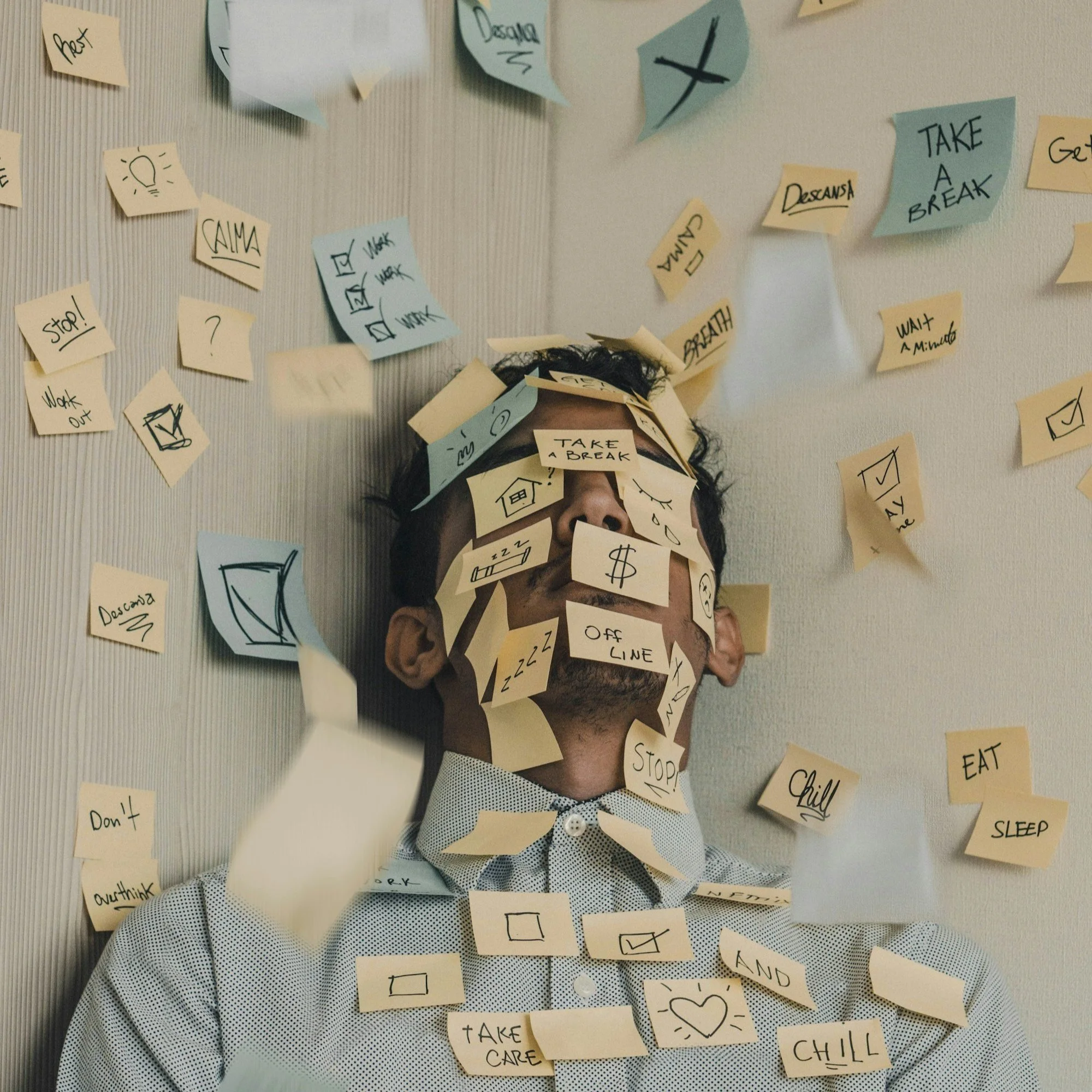
What causes stress in your life? Do you wither or thrive in stressful situations? Do you reach out for help or withdraw inwards to deal with stress? Do stressful situations leave you buzzing or zzz-ing?
Stress is often viewed as something we should avoid, but it is worth remembering that not all stress is bad for us. In fact, muscles can only grow when placed under stress, and a certain amount of stress can help us become more resilient and better equipped to cope with everyday challenges. This is one of the principles that plays out in Yoga practice – where we move the body into increasingly challenging postures, whilst aiming to keep the body’s stress response down to a minimum, through a balanced steady breath rhythm and a meditative mind state.
Hormesis
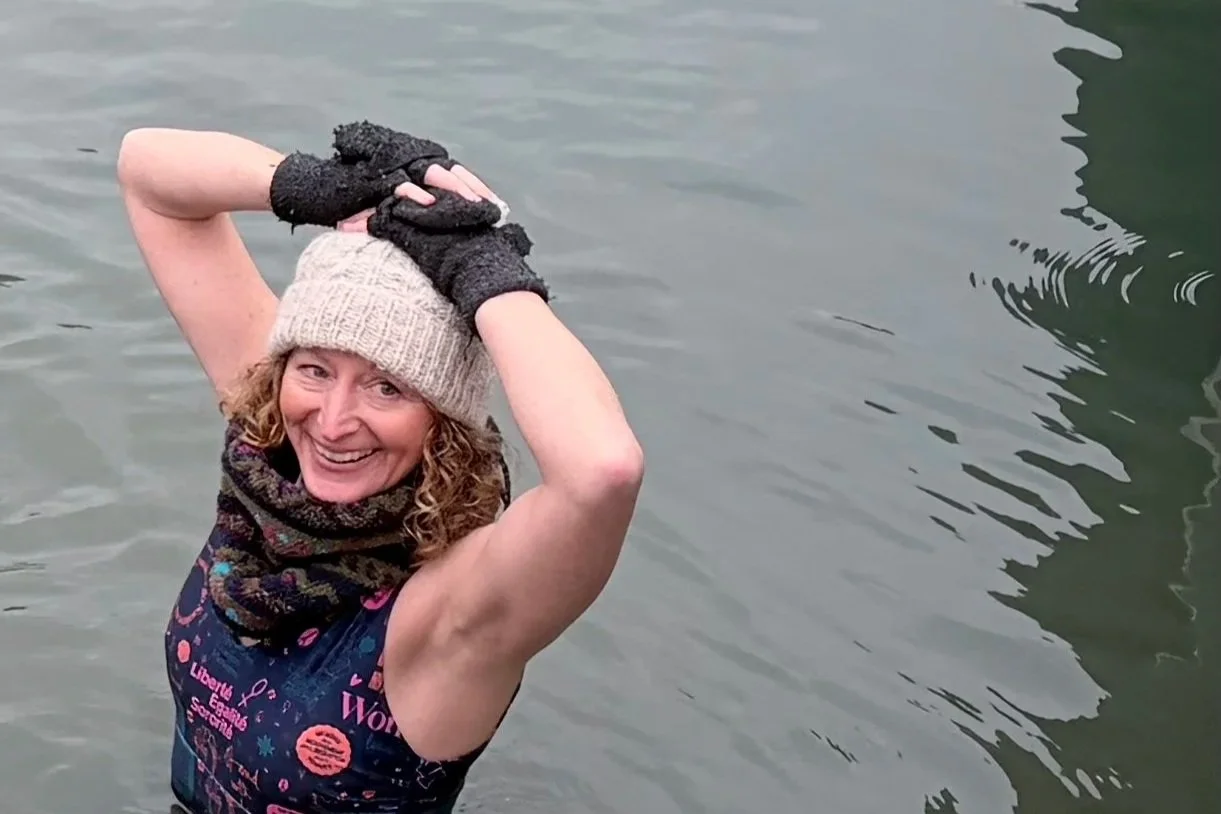
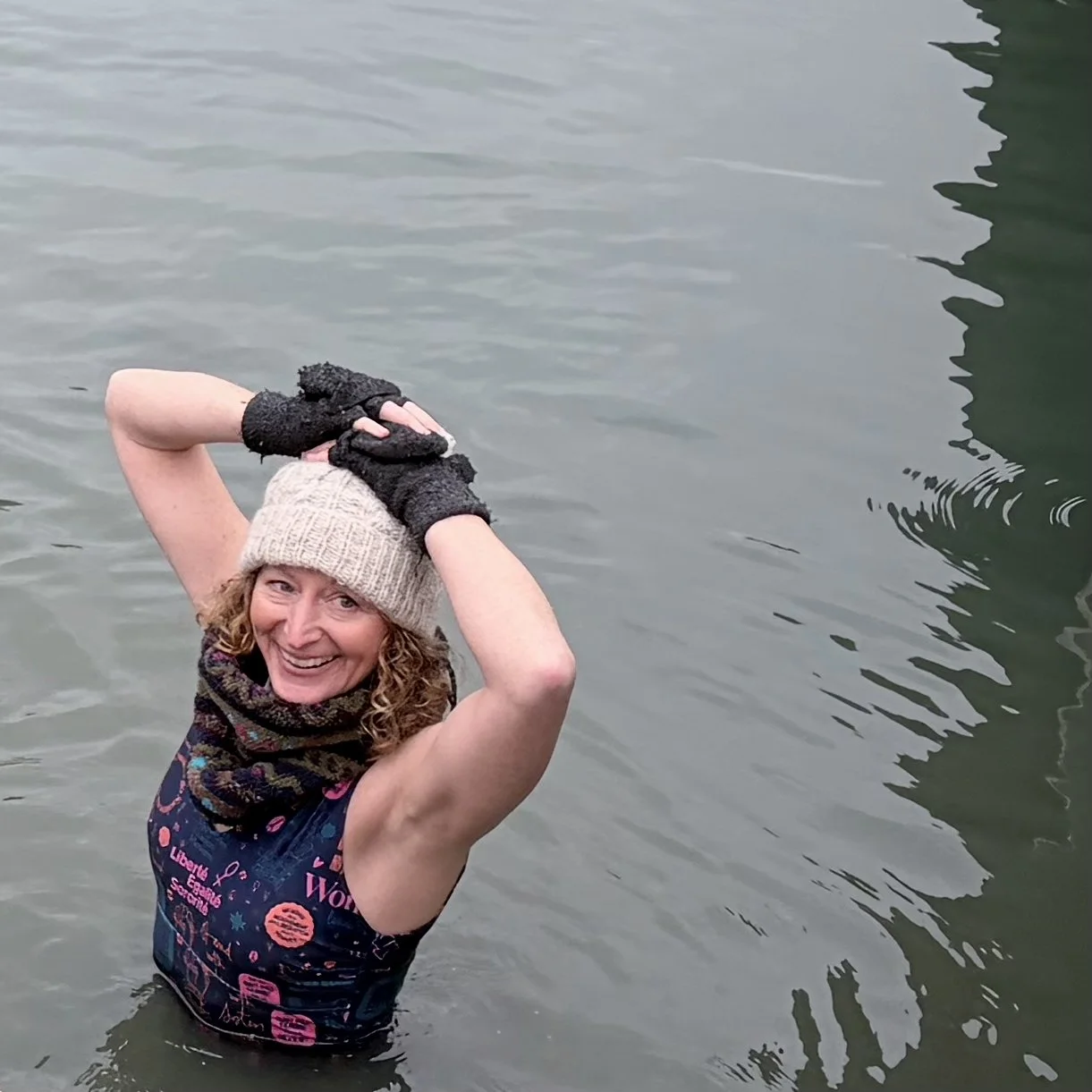
Activities such as sauna and wild swimming are great examples of hormesis – the process by which a temporary, manageable exposure to a stressor triggers adaptive responses within the body. In other words, a little challenge can encourage our cells and systems to become better equipped to cope with future challenges, making the body stronger and more resilient.
Exposure to heat in a sauna raises the heart rate, increases circulation, and encourages the body to activate its natural protective and repair mechanisms. Similarly, immersing in cold water creates a short-lived physiological stress response, stimulating circulation and releasing hormones and neurotransmitters such as noradrenaline, which can improve alertness and mood. Both experiences can encourage us to step outside our comfort zone, reconnect with our bodies and develop a greater sense of mental resilience. The key is finding the right balance: short, manageable periods of stress, followed by adequate recovery, can be beneficial, helping us adapt and become stronger. Also, consider how you responded to the questions at the start of the article – is there anything that you need to put in place to make hormesis something that you can practice more effectively? Do you need to take it slow or jump straight into an ice bath? Do you need time after to rest or do you start a busy day with a sauna and cold shower? Are you better finding activities as part of a group? In Her Elements is a women’s group meeting once a fortnight at 11:30am on Tuesday mornings for sauna and wild swimming – book online (use code WILD to get a discount on your first session): https://jenihowland.as.me/In-Her-Elements
Brain Benefits
Sticking to routine and the easy road means that our brains can stay within known patterns. This feels comfortable as we can rely on habit and can avoid stress or effort. When we try new or challenging things, we carve out new neural pathways (thought patterns) and possibly new motor neural pathways (movement patterns) too. This takes effort and energy. Doing new things may trigger uncomfortable feelings arising from fear – “I don’t want to fail at this new thing”; shame – “I don’t want anyone to know that I am failing at this new thing”; lethargy – “I don’t have the energy to do this new thing”; anger – “I’m frustrated with how hard this new thing is” and so on.
Just as our muscles respond to regular exercise by becoming stronger, our brains benefit from being challenged. Learning new skills, trying unfamiliar activities, and stepping outside our comfort zone help keep our brains adaptable. These examples of stress, strain, and challenge can reward us abundantly with confidence, happy-making hormones, and life experience.
Winter is traditionally a time for hibernation, slowing down and turning inwards. But perhaps this winter we could also embrace a little positive stress. Challenge yourself to try something new, learn a new skill, take a cold-water dip, visit a sauna or simply do something that takes you outside your usual routine. You might discover that what initially feels uncomfortable is exactly what you need to help you grow, build resilience and thrive. Sometimes, a little stress can be a very good thing!